Guides
What Is MPa in Concrete? Choosing the Right Strength for Driveways and Slabs
Concreters Brisbane5 min read
Guides
If you have looked at a concrete quote, you have probably seen a number like 25 MPa or N32. That number is the concrete's strength, and it is one of the most important details on the quote. Here is what it means and which grade suits which job.
MPa stands for megapascals, a unit of pressure. For concrete it is the compressive strength: how much load the concrete can take before it crushes, measured on test cylinders 28 days after they are cast. A 25 MPa concrete is designed to reach at least 25 megapascals at 28 days. The higher the number, the stronger the concrete.
In Australia, ready-mix concrete is ordered by grade. The N stands for normal-class concrete and the number is the strength in MPa. An order often reads like N25/80/20: 25 MPa strength, 80 mm slump and 20 mm maximum aggregate size. Slump measures how wet and workable the mix is.
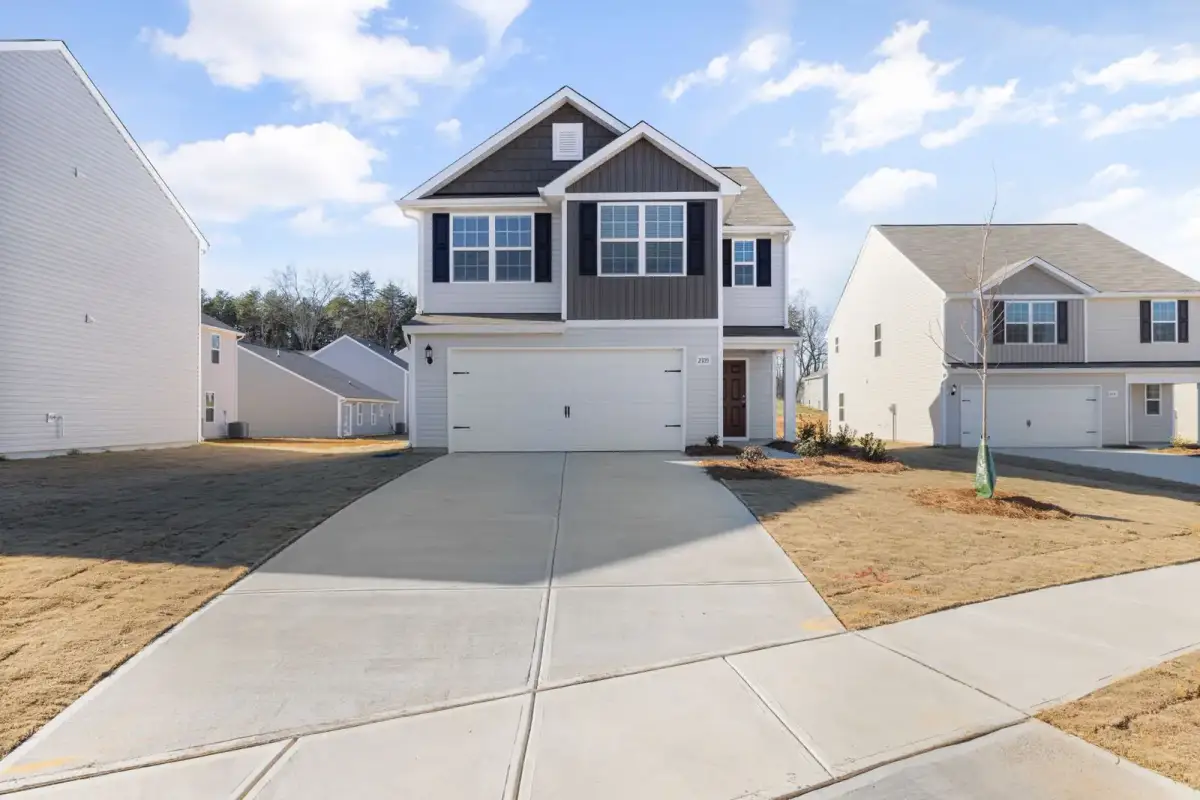
For a standard car driveway on stable ground, 25 MPa concrete at 100 mm thick on SL72 mesh is the usual minimum. Step up to 32 MPa and a thicker slab if the driveway carries a caravan, a boat, trucks or other heavy vehicles, if the site is close to the coast, or if the ground is reactive clay, which is common around Brisbane and Ipswich.
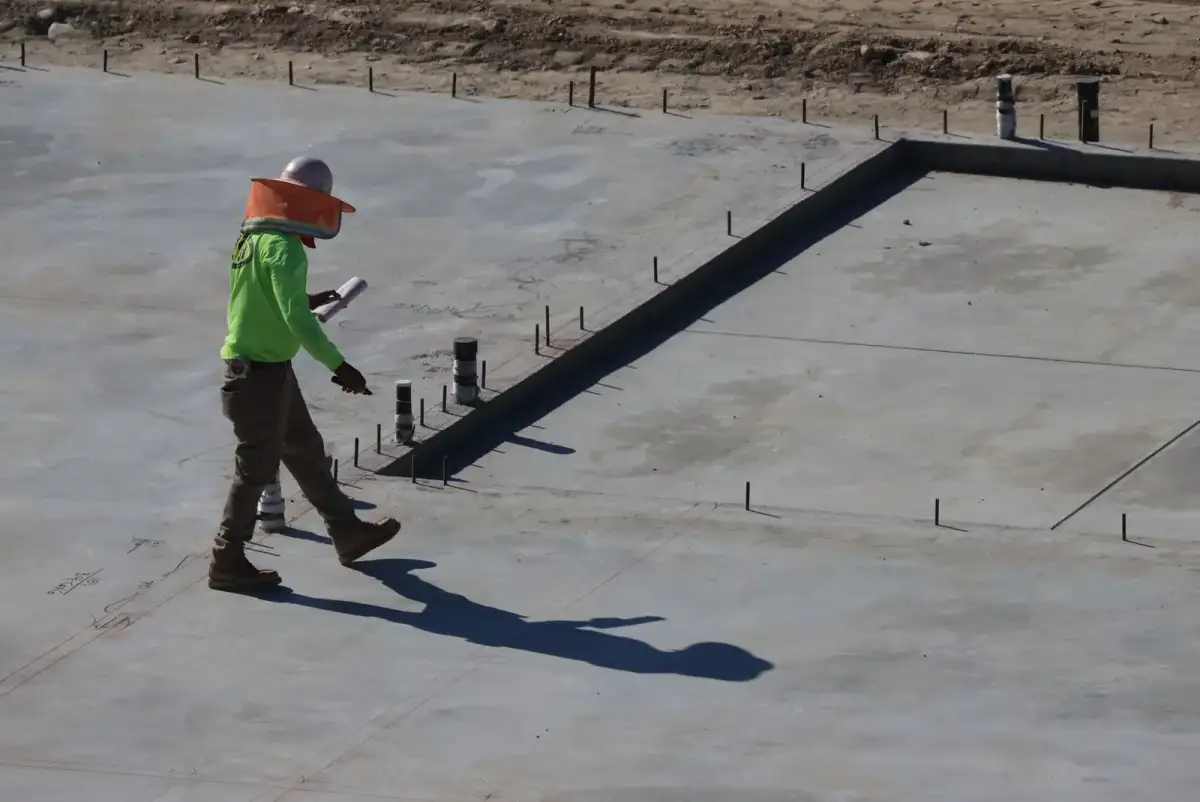
A house slab is designed by an engineer based on the site's soil classification, and the engineer sets the concrete grade, the reinforcement and the edge beams. N25 and N32 are the common grades. Shed and garage slabs follow the shed's engineering and should be specified for whatever will be parked or stored on them.
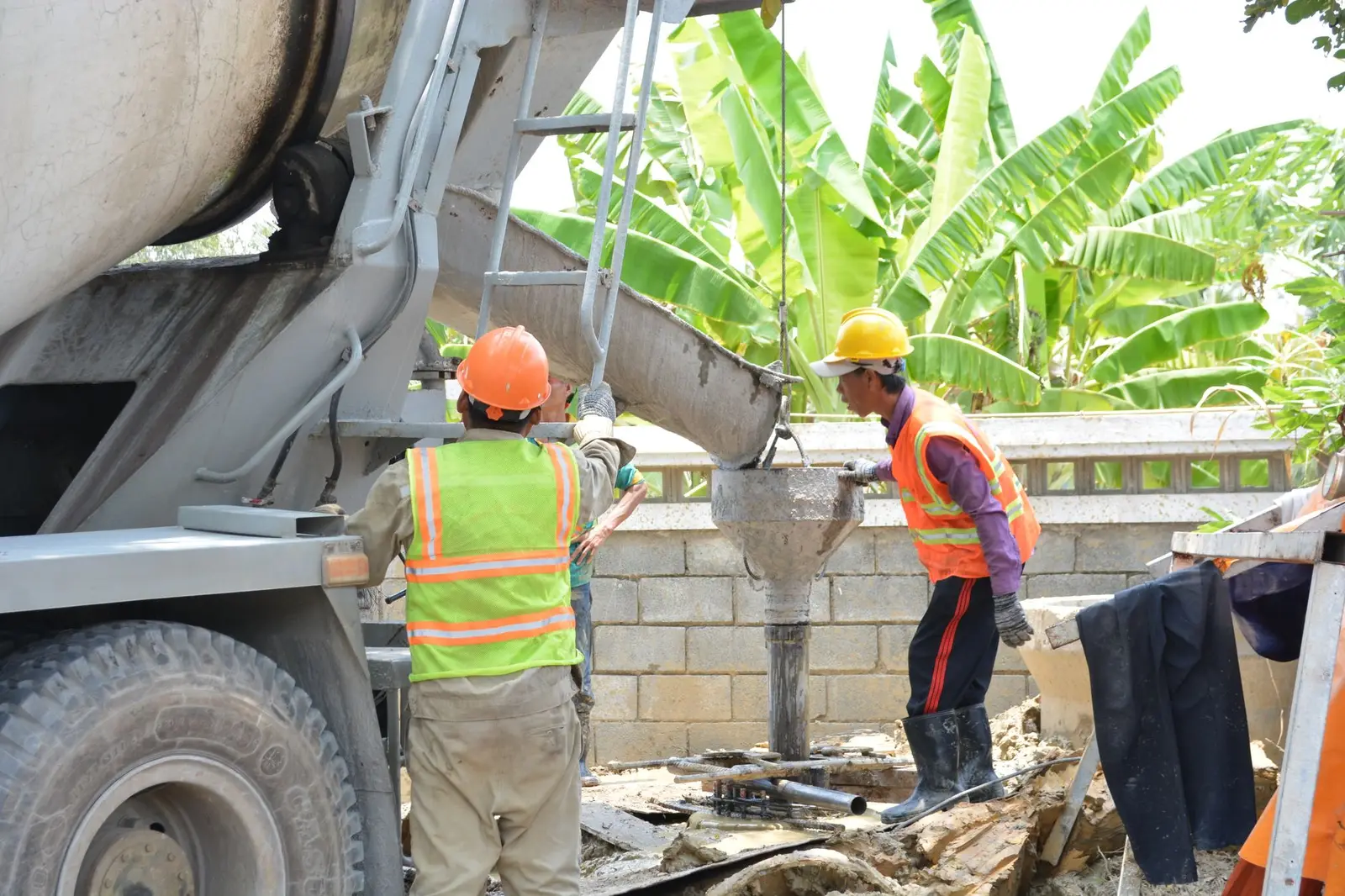
Ordering the right grade is only half of it. How the concrete is placed and cured decides whether it reaches that strength in practice:
Concrete gains strength quickly in the first week and keeps going after that. That is why you can usually walk on a new slab after a day or two and drive a car on it after about a week, while the rated strength is measured at 28 days.
Not always. Stronger concrete costs more per cubic metre, and on a light-duty job it adds cost without adding much. Match the grade to the load, the soil and the exposure.
Not by looking at it. If it matters, for example before building on an old slab, an engineer can test cores taken from the slab.
Not sure what your job needs? Tell Concreters Brisbane what the concrete is for and where it is going, or call 07 4802 7388, and we will price the right mix and thickness for it.
Concreters Brisbane serves Brisbane. Get a fast, no-obligation quote.
Get a Free QuoteTell us about the job and we'll come back with a clear price. Call now or fill in the form.